

Sundance kept Mbalam idle for a decade and a half, then billed two African states some thirteen billion dollars between them. Both said no.
There is a business model at large in the extractive world, and it does not involve extracting anything. Acquire the rights to a world class deposit. Promise a railway. Fail to finance it. Watch the years pass and the asset sleep. Then, when the state finally reclaims its resource, sue for the fortune the ground never yielded.
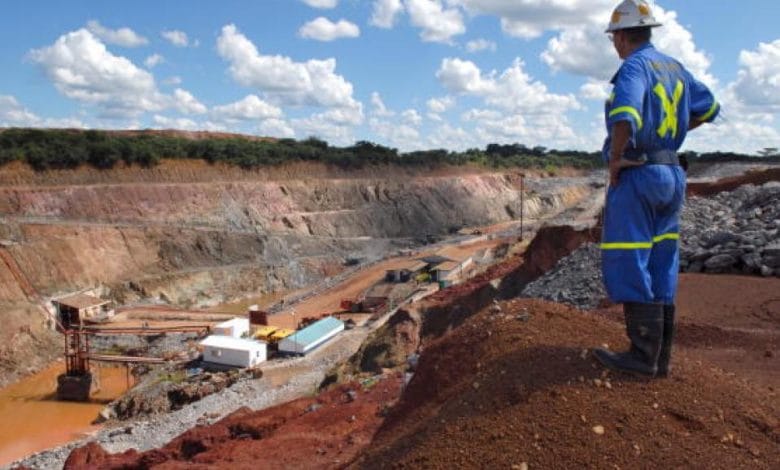
Mbalam was, for close to fifteen years, the textbook case. A convention signed in 2012. A mine, a rail line and a mineral terminal promised to Cameroon. None of it delivered, not a tonne of ore, not a kilometre of track, even after the state granted its faltering partner a Transition Agreement in 2015 to keep the door open. When patience ran out, Sundance Resources and Cam Iron demanded nearly five billion dollars from Yaoundé.
On 23 July, the answer arrived. The final award in ICC Case 26291, dated 20 July 2026, sets aside more than nine tenths of the claims. The demand for lost profits was rejected unanimously; three arbitrators, whatever their other differences, agreed that an imaginary mine generates no compensable earnings.
What remains is a residual of barely a tenth, itself challenged by a dissenting opinion from within the tribunal, and Cameroon now takes it to the Paris Court of Appeal with a single objective: nothing paid, ever.
Set this beside December 2025, when the Republic of Congo saw the same claimant’s eight billion dollar case dismissed in its entirety, with costs, and the pattern is complete. Two states, two tribunals, one verdict on the merits of manufacturing litigation out of industrial failure.
None of this is hostility to investors, and the distinction deserves to be made loudly. Cameroon honoured its side of the bargain for year after year, extending, accompanying, waiting. Sovereignty over natural resources does not mean tearing up contracts; it means refusing to let a nation’s patrimony serve as collateral for other people’s failures. Arbitration exists to protect investment. It does not exist to insure incompetence.
The lesson of Mbalam travels well beyond Cameroon, to every nation rich in resources and courted by promises. Build, and the law will protect you. Fail, then litigate, and the law, applied with rigour, will find you out.